
SIM Registration Philippines | Current Rules, Deadlines and Updates
SIM registration Philippines rules require every mobile user to register a SIM before it can be activated. This rule applies to prepaid SIMs, postpaid SIMs, eSIMs, data-only SIMs, and SIMs used in pocket WiFi devices.
Filipino citizens, foreign nationals, tourists, businesses, and government organizations must follow the registration requirements that apply to them.
The SIM Registration Act was introduced to reduce scams, identity theft, spam messages, and crimes involving anonymous mobile numbers. A person must provide correct personal information and proof of identity when registering a SIM.
This guide explains the current rules, registration deadlines, requirements, and important updates for mobile users in the Philippines.
What Is the SIM Registration Act?
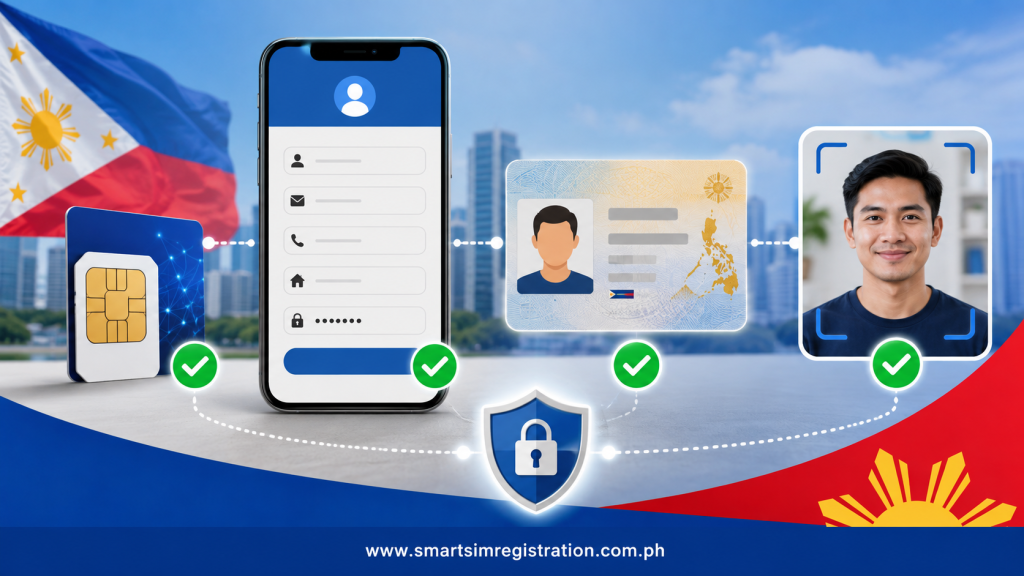
Republic Act No. 11934 is known as the Subscriber Identity Module Registration Act. It requires mobile users to register their SIMs with their Public Telecommunications Entity, or PTE.
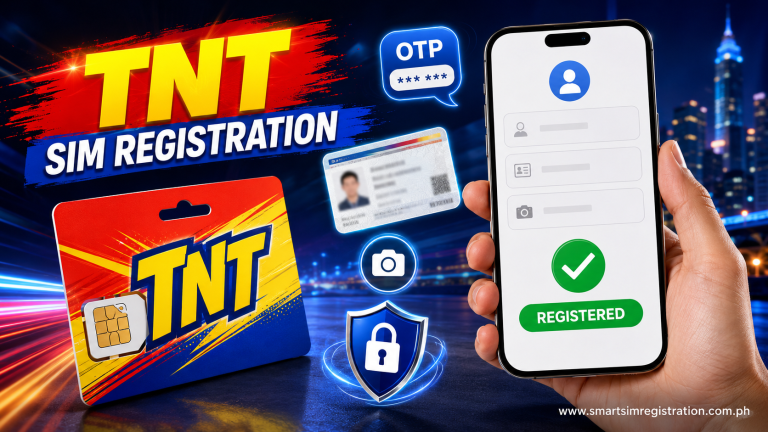
A PTE is the company that provides the mobile service. Major providers include Globe, Smart, DITO, TM, TNT, and GOMO.
Under the law, registration is required before a new SIM can be fully activated. The rule covers physical SIM cards and eSIMs that provide calls, text messages, mobile data, or similar services.
The National Telecommunications Commission issued the implementing rules for the law through Memorandum Circular No. 001-12-2022.
Current SIM Registration Philippines Rules
The current SIM registration Philippines rules apply to all new mobile subscribers. A newly purchased SIM normally has limited service until its registration is completed.
The following rules are important:
- Each SIM must be registered with its network provider.
- The subscriber must provide accurate personal information.
- A valid government-issued photo ID is required.
- The information on the form should match the information on the ID.
- A clear photo or selfie may be required for identity verification.
- New SIMs must be registered before full activation.
- A person may register more than one SIM under the same name.
- Each additional SIM must be registered separately.
- SIM registration should be free of charge.
- Providing false information or using a fake identity is prohibited.
Registration does not transfer ownership of another person’s SIM. Each subscriber should register only the SIMs that they own or are authorized to use.
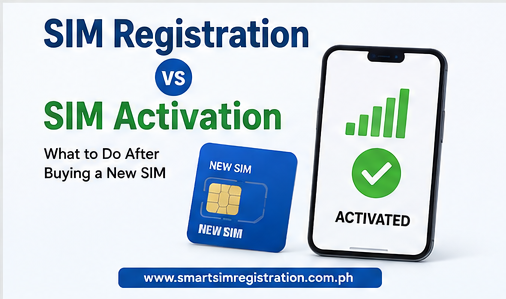
Also read: SIM Registration vs SIM Activation
Is There a New SIM Registration Deadline?
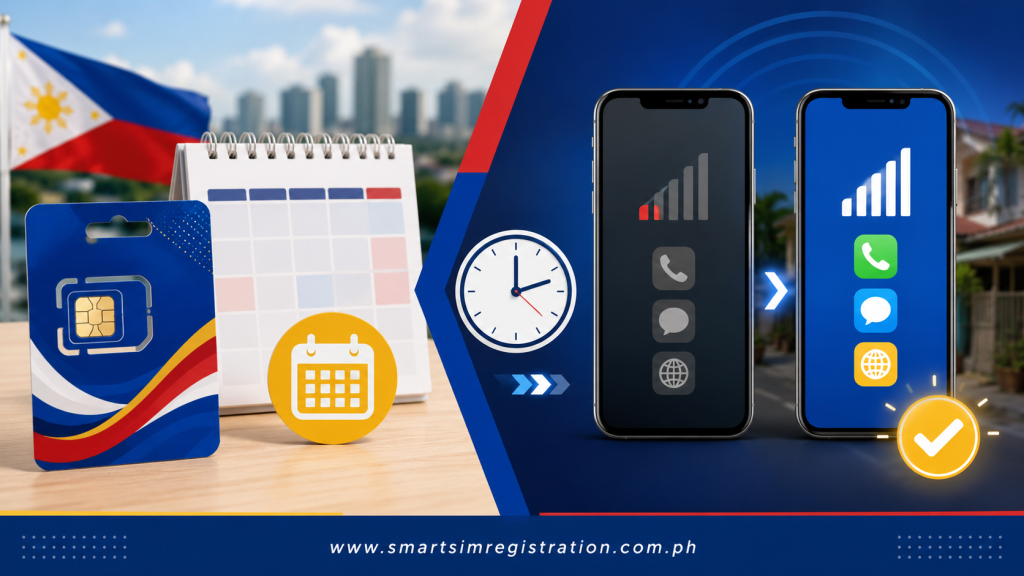
There is no single new nationwide registration deadline for all active mobile users. The nationwide deadline applied mainly to SIMs that were already in use when the law took effect.
The original registration period began on December 27, 2022. After an extension, the final nationwide deadline for existing SIMs was July 25, 2023. Unregistered existing SIMs were deactivated after that deadline.
This old deadline should not be confused with the rule for newly purchased SIM cards.
A new SIM must be registered before it can be fully activated and used for regular mobile services. Some providers also place an expiry or shelf-life date on the SIM package. The user should register the SIM before that date.
It is best to register a new SIM soon after buying it. Waiting too long may cause the unactivated SIM or assigned mobile number to expire according to the provider’s terms.
Do New SIM Cards Work Before Registration?
A new prepaid SIM may connect only to limited services before registration. The user may be able to access the network’s registration portal or receive the one-time password needed for verification.
However, regular services may remain unavailable. These can include:
- Making regular calls
- Sending text messages
- Using mobile data
- Registering for mobile promos
- Using services connected to the mobile number
Full mobile service normally becomes available after the provider approves the registration and activates the SIM.
Registration and activation are closely connected, but they are not always the same step. Registration confirms the subscriber’s identity. Activation allows the SIM to use the network’s regular services.
Who Must Register a SIM?
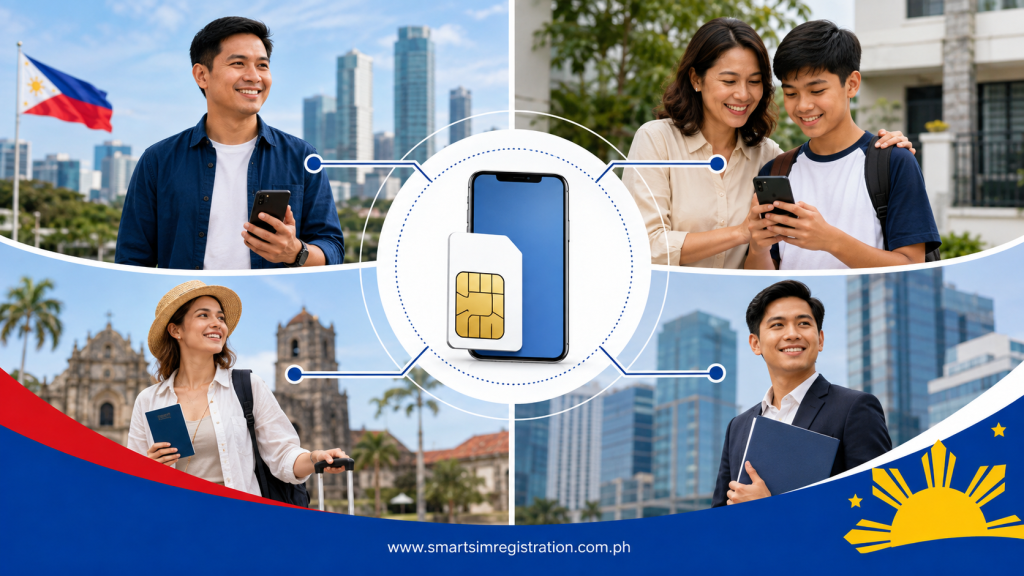
Almost every person or organization using a Philippine SIM must complete registration.
Filipino Citizens
Filipino citizens must provide their personal details and an accepted government-issued photo ID. The information entered on the registration form should be correct and consistent with the ID.
Minors
A SIM used by a person under 18 must normally be registered under the name of a parent or legal guardian.
The parent or guardian becomes responsible for the registration information and use of the SIM. Their valid ID and required personal information may be requested during registration.
Foreign Nationals
Foreign nationals who use a Philippine SIM must also register it. The required documents depend on their immigration status and reason for staying in the country.
A foreign resident, worker, or student may need a passport and other documents that prove legal stay in the Philippines.
Tourists
A SIM registered by a foreign tourist is generally valid for 30 days. It may be automatically deactivated after this period.
A tourist may be asked to provide:
- Passport information
- Current visa or entry stamp
- Proof of address in the Philippines
- Hotel booking or similar accommodation proof
- Return ticket or onward travel ticket
A tourist who receives an approved visa extension may request an extension of the SIM’s validity through the provider’s supported channels.
Businesses and Organizations
A SIM used by a company, organization, or government agency must be registered under the proper entity.
The authorized representative may need to submit the organization’s details, registration documents, authorization papers, and a valid government-issued ID.
Information Required for SIM Registration
The exact registration form may differ by provider, but individual subscribers are generally asked for:
- Full name
- Date of birth
- Gender or sex
- Complete address
- Mobile number
- Nationality
- Type of valid ID
- ID number
- Clear image of the ID
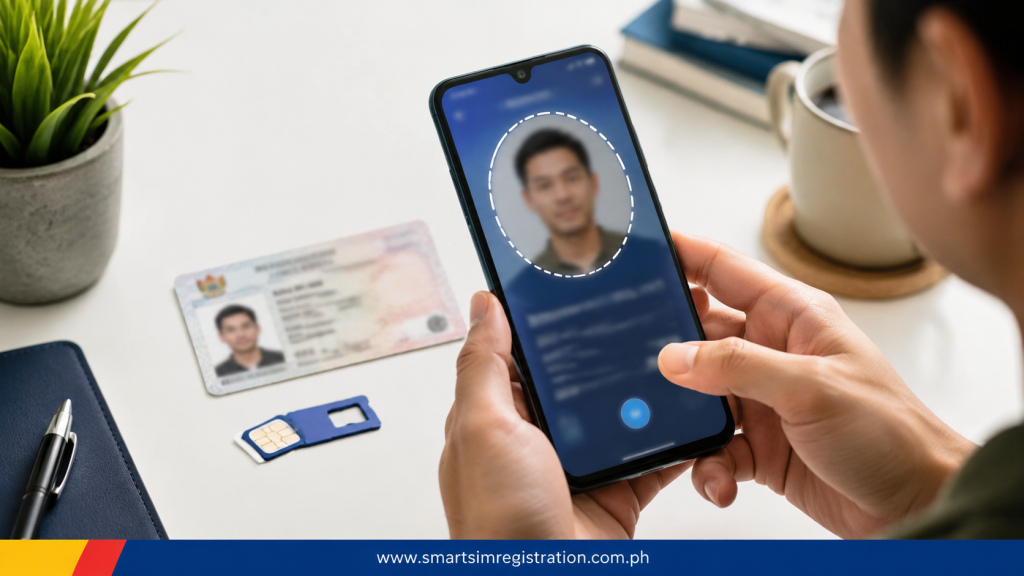
- Recent selfie or face verification
The subscriber must also confirm that the information is true and accurate.
Some providers use automated tools to compare the ID photo with the subscriber’s selfie. Blurred images, expired IDs, covered faces, or mismatched information may cause the application to fail.
Which SIM Types Must Be Registered?
The law covers more than standard prepaid phone SIMs. Registration may be required for:
- Prepaid SIM cards
- Postpaid SIM cards
- Physical SIM cards
- eSIMs
- Data-only SIMs
- Pocket WiFi SIMs
- Broadband modem SIMs
- Business SIMs
- SIMs used in connected devices
A user with several mobile numbers can register all of them. There is no general rule limiting an individual to only one SIM. However, every SIM must be registered separately with correct details.
What Happens to Postpaid Subscribers?
Postpaid customers usually provide personal details and identification when applying for a mobile plan. Their provider may already have much of the information required by the SIM Registration Act.
However, the provider may still ask a postpaid subscriber to confirm, correct, or complete the registration details.
Postpaid users should respond only through the provider’s official app, website, store, or support channel. They should not submit IDs through links sent by unknown numbers.
Updating SIM Registration Information
Subscribers must report changes in their registration information to their network provider. This may include a change in:
- Name
- Address
- Legal identity details
- Company information
- Authorized representative
The subscriber may need to visit an official store or use a support channel because some changes require identity verification.
Users should also report a lost or stolen SIM immediately. The provider may block the SIM to prevent unauthorized calls, messages, mobile data use, or access to accounts linked with the number.
Does SIM Registration Prevent SIM Expiry?
No. Registration does not guarantee that a SIM will remain active forever.
SIM registration makes the number compliant with the law, while SIM validity depends on the provider’s prepaid service rules. A registered prepaid SIM may still expire if the subscriber does not reload it or use qualifying services within the required period.
Users should check their provider’s SIM validity and load-expiry policy. They should also keep recovery information updated for e-wallets, banks, email accounts, and social media accounts connected to the mobile number.
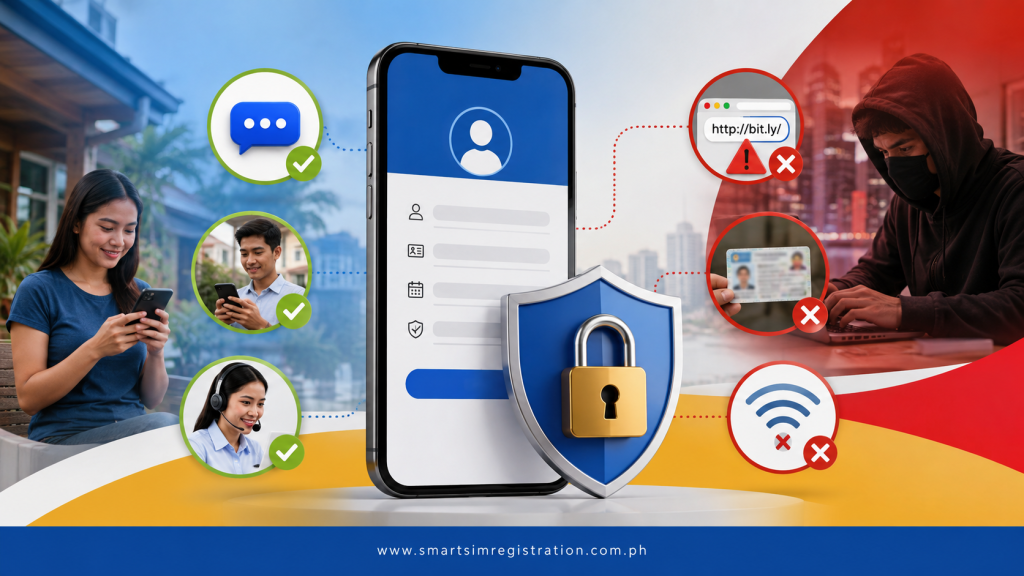
SIM Registration Safety Tips
SIM registration requires sensitive personal information. Users should take basic security steps to protect their identity.
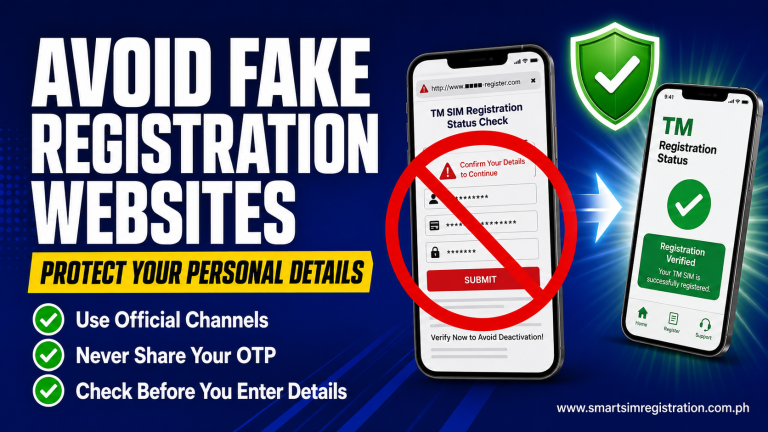
- Use only the official registration website or mobile app.
- Check the website address before uploading an ID.
- Do not share an OTP with another person.
- Avoid registration links sent by unknown numbers.
- Do not pay anyone for online SIM registration.
- Never use fake information or another person’s ID.
- Save the reference number or confirmation message.
- Report suspicious calls and messages to the provider.
Official providers do not need a subscriber’s online banking password, e-wallet PIN, or complete card details for normal SIM registration.
What Happens If a New SIM Is Not Registered?
An unregistered new SIM cannot be fully activated for normal mobile services. It may be unable to make calls, send texts, or use mobile data.
If the SIM remains unregistered until its shelf-life or package expiry date, the provider may permanently disconnect it. The assigned number may later be given to another customer.
This can also create problems if the number was added to an e-wallet, social account, or online service before registration was completed.
The safest option is to register a new SIM immediately after purchase and confirm that it can make calls, send messages, and use mobile data.
Common Registration Problems
A SIM registration application may fail because of:
- An expired or unsupported ID
- A blurred ID image
- Incorrect personal information
- A name or birth date that does not match the ID
- Poor internet connection
- An OTP that has expired
- An unclear selfie
- Temporary maintenance of the registration portal
Users should review the information and try again through the official portal. If the issue continues, they should contact the network’s customer support or visit an authorized service center.
Do not repeatedly upload different personal details. This may delay verification or create an ownership problem.
Important SIM Registration Updates
The old nationwide deadline ended on July 25, 2023. It does not act as a yearly deadline for all subscribers.
The ongoing rule is simple, every newly issued SIM must be registered before full activation. This rule also applies to new eSIMs and data SIMs.
Mobile providers may update their registration portals, supported IDs, verification systems, or store procedures. Subscribers should check their provider’s official website for the latest technical instructions.
Any future nationwide deadline, legal amendment, or major registration change should be confirmed through the NTC, DICT, or an official network provider announcement.
Frequently Asked Questions
Final Words
SIM registration is a continuing requirement in the Philippines. The old nationwide deadline has passed, but all new physical SIMs and eSIMs must still be registered before they can be fully activated.
Subscribers should enter accurate information, use a valid photo ID, and complete the process only through an official network portal, app, store, or authorized support channel. They should also save their registration confirmation and report any change, loss, or theft of the SIM.
Following the current SIM registration Philippines rules helps keep a mobile number active, protects the subscriber’s identity, and reduces the risk of unauthorized use.